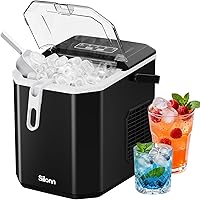
Do Countertop Ice Makers Keep Ice Frozen?
No, most countertop ice makers do not keep ice frozen. The bin is cold storage that slows melting, so nugget ice softens within hours and needs a freezer bag or a separate freezer for long-term storage.
On this page (9 sections)
- Do countertop ice makers keep ice frozen, or just cold?
- How long does ice stay frozen in a countertop ice maker?
- Why does nugget ice soften faster than cube ice?
- How do you keep countertop ice from melting in the bin?
- Does a countertop ice maker with a water line store ice better?
- Should you move countertop ice to the freezer?
- Does running the maker longer keep ice colder?
- How should you store ice for a party or a full day?
- So, do countertop ice makers keep ice frozen?
No, most countertop ice makers do not keep ice frozen. The storage bin is insulated cold storage that slows melting, so ice softens within hours and needs a freezer bag or a real freezer for longer storage.
That answers the question in the title, but the details matter for how you use the machine day to day. A countertop ice maker makes ice fast and holds it cool.
It is not a freezer, and treating the bin like one is the most common source of soft, clumpy ice.
The sections below explain how long ice stays usable, why nugget ice melts quicker, and how to keep it solid when you need it later.
Do countertop ice makers keep ice frozen, or just cold?
They keep ice cold, not frozen solid. The bin is chilled by the machine's cooling system and lined with insulation, so it slows melting compared with a bowl on the counter.
It cannot hold a steady freezing temperature the way a freezer does.
That distinction matters because ice in the bin is already shedding water. A chilled bin keeps the outside of the ice cold enough that meltwater stays cold too, which slows the process.
Once the ice maker stops producing, though, the bin has no way to re-freeze anything.
Think of the bin as a serving tray with a chill. It is designed to hold ice at serving temperature while you make drinks.
For storage beyond the day, the ice needs to leave the bin.
How long does ice stay frozen in a countertop ice maker?
Plan on a few hours, not a full day. Nugget and pellet ice typically stays usable for roughly 4 to 8 hours in a chilled bin, and cubes last longer because they are denser.
Opening the lid, warm room air, and a full bin that stops production all shorten that window.
The Euhomy nugget maker illustrates the limits well. It holds a 1.8-lb removable storage basket and makes up to 35 lb of nugget ice per day.
That basket is a serving size, not a storage size, so a busy household will empty and refill it more than once.
Any countertop maker follows the same pattern: ice made in the morning is soft by late afternoon. If you want firm ice at dinner, make a fresh batch closer to the meal or move the earlier ice to a freezer.
Why does nugget ice soften faster than cube ice?
Nugget ice is made from compacted flakes, so it melts faster. The flakes are pressed together with air pockets between them, giving each nugget far more surface area than a solid cube.
More surface area means faster heat transfer from the room.
The payoff is the chewable texture people want. Euhomy says its nugget ice is light, airy, and crunchy, and describes it as gentle on sensitive teeth.
That softness is the same trait that makes it melt quickly in the bin.
Cube ice makers produce harder, slower-melting ice. If you mostly want ice that survives in the bin, a cube machine is the better fit.
If you want chewable ice for drinks, accept that the bin is short-term and plan to scoop ice into a freezer bag.
How do you keep countertop ice from melting in the bin?
Scoop ice into a freezer bag or container as the bin fills. Moving ice to a real freezer within about an hour keeps it solid, and Euhomy recommends exactly that: when the Ice Full light comes on, redistribute the ice or transfer it to a freezer-safe bag or container.
A few habits help in the meantime. Keep the lid closed except when scooping, and keep the machine away from ovens, sunny windows, and warm appliances.
A full bin also insulates better than a nearly empty one.
If your kitchen runs warm, run the maker in shorter bursts and move each batch to the freezer. That beats letting a large load sit and soften.
For buyers comparing machines on this point, our guide to the best rated countertop ice maker looks at bin size and storage features.
Which makers handle storage best?
Three current nugget makers show the range. The Euhomy is the strongest all-round pick for storage because it pairs a 1.8-lb basket with a double-layer insulated ABS basket and a double-layer lid.
The Silonn offers a 36-lb daily output and self-cleaning. The GE Profile Opal Mini has a 2-lb removable bin and Wi-Fi scheduling.
The Euhomy's storage edge comes from layering. A transparent double-layer lid sits over the basket, and the insulated ABS basket itself holds the cold around the ice.
The maker also includes four packs of citric acid cleaner and a dual-pump self-cleaning cycle, so the ice going into the basket starts clean. Its side-mounted scoop holder keeps the scoop off the counter and out of the way.
The Silonn's included components are an ice scoop, ice basket, and user manual, so its storage setup is simpler. The GE Profile Opal Mini adds a drain and dry system that pulls excess water out of internal parts between cycles, which limits mineral buildup over time.
Each one still needs a freezer for long storage. The machine's bin only buys you time.
Does a countertop ice maker with a water line store ice better?
No, a water line changes how the maker fills, not how it stores ice. A plumbed model draws water directly instead of asking you to refill a reservoir.
The bin still works as cold storage.
The advantage is convenience. You skip reservoir refills during long gatherings, which means the maker can keep producing without interruption.
A continuous supply of fresh ice helps, but it doesn't turn the bin into a freezer.
The machines here show how reservoir size affects that routine. The Euhomy uses an expanded 1.1L water reservoir to cut down on constant refills.
The GE Profile Opal Mini uses a top-fill station, so you add water from the top without pulling out the ice bin. Neither one is a plumbed model, but each reduces the number of times you stop to fill.
If you host often or want the maker to run all day, read our guide to a countertop ice maker with water line before you buy. It covers hookup needs and when plumbing is worth it.
Should you move countertop ice to the freezer?
Yes, if you want firm ice later in the day or the next day. The freezer holds a steady freezing temperature, which the bin cannot.
Euhomy's advice to freeze ice within 60 minutes points to the same idea.
Use a freezer-safe bag or a lidded container. Spread nuggets in a thin layer so they freeze quickly and don't clump into one block.
Label the bag if you keep ice for more than a few days.
A freezer also lets you build a reserve before a party. Run the maker through the morning, transfer each basket, and keep the bin free for serving.
This works with any brand, including the Silonn and the GE Profile Opal Mini.
Does running the maker longer keep ice colder?
No, running it longer just makes more ice. The bin stays at its chilled temperature either way.
If the bin is full and production stops, extra run time does nothing for the ice already sitting there.
The bigger factor is your routine. Move ice promptly, keep the lid closed, and place the maker in a cool spot.
A maker's daily rating describes output spread across the day, not a burst of speed. The Euhomy's 35 lb and the Silonn's 36 lb both point to steady production over hours, which is why a morning start builds a useful reserve by evening.
For the energy side of running a maker through the day, our guide to how much electricity does a countertop ice maker use breaks down the draw.
How should you store ice for a party or a full day?
Treat the bin as a staging area and the freezer as storage. Make ice in batches, move each one to the freezer, and keep a serving bowl topped up from the reserve.
This keeps drinks cold without waiting on a single bin.
Plan output against your guest count. A 35-lb daily rating means about 1.5 lb per hour across a full day, so a morning start gives you a useful reserve by evening.
Nugget ice also dilutes drinks less than cubes, which matters for iced coffee and cocktails.
If your maker is aging or struggling to keep up, our guide to how long do countertop ice makers last covers the signs it's time to replace it. A newer maker with a bigger basket reduces how often you shuttle ice.
So, do countertop ice makers keep ice frozen?
No. They make ice quickly and hold it cold in an insulated bin, but they do not freeze it.
Expect nugget ice to soften within hours, so move what you don't use right away into a freezer bag or freezer.
The decision rule is simple. Pick a countertop ice maker for fast, chewable ice during the day.
Pick a freezer for ice you want solid overnight. If you want both, choose a maker with a larger insulated basket, like the Euhomy, and keep freezer space free for the overflow.
Frequently asked questions
Why does nugget ice melt so fast in a countertop maker?
Nugget ice is compacted from ice flakes with air between them, so it has more surface area and melts faster than a dense cube. The chilled bin slows this down, but warm air and frequent lid opening speed it up.
Can I leave the ice in the bin all day?
You can, but expect the ice to get soft and wet. The bin is designed for serving during the day, not for long storage.
For a party, scoop ice into a freezer container as the bin fills.
Do I need a freezer to keep countertop ice solid?
Yes, if you want solid ice for later. The machine's bin only slows melting.
A freezer-safe bag or container in a real freezer keeps ice firm, and a basket or bin helps you carry it there.
Is a countertop ice maker's bin the same as a freezer?
No. The bin is insulated cold storage chilled by the machine, while a freezer holds a steady freezing temperature.
That difference is why countertop ice softens and a freezer keeps it solid.
Can I put the removable basket in the freezer?
Check the basket's material and the maker's instructions first. Some removable baskets are freezer-safe, while others are only for serving.
A dedicated freezer bag or container is the safer choice.