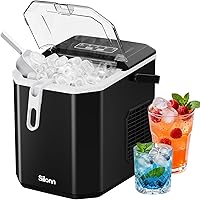
Do Countertop Ice Makers Use a Lot of Water?
No, countertop ice makers do not use a lot of water. A typical nugget or bullet model uses about 2 to 3 quarts of water for every pound of ice it makes, and recirculating systems send most unused water back through the next batch.
On this page (8 sections)
- How much water does a countertop ice maker use per pound of ice?
- Do ice makers waste water, or does recirculation save it?
- How much water does a day of ice making add to your bill?
- What makes an ice maker use more water than it should?
- Is a countertop ice maker worth the water for a small household?
- Does water quality change how much water you use?
- How do you keep water use low over time?
- So, do ice makers use a lot of water?
No, countertop ice makers do not use a lot of water. A typical nugget or bullet model uses about 2 to 3 quarts of water per pound of ice, and recirculating systems send most of the unused water back into the next batch.
The real question is whether that total fits your kitchen and your water bill.
How much water does a countertop ice maker use per pound of ice?
Roughly 2 to 3 quarts of water makes 1 pound of ice. Ice is water minus the air and heat removed during freezing, so a pound of ice weighs about a pound, or 1 pint of water.
The extra quart or so covers splashing, melt during the cycle, and water left in the reservoir when you stop.
The math is easy to check. A machine rated at 1.5 pounds per hour uses about 3 to 4.5 quarts in a running hour, less once the bin fills and the machine idles.
The GE Profile Opal Mini runs at that rate, up to 36 pounds a day.
Why does the number vary between models?
Water use per pound depends on the ice style and how the machine handles a full bin. Nugget makers shave and compact flakes, which takes more water than freezing a solid cube.
Bullet makers freeze water around a cold probe and release it in cycles.
Do ice makers waste water, or does recirculation save it?
Recirculation saves water, and it's the standard design. The pump moves water over the freezing surface again and again, so each quart does several passes before it becomes ice.
What doesn't freeze stays in the reservoir for the next batch.
That's why the "ice makers waste water" idea comes from commercial machines, not countertop ones. Large flake and cube units often run water continuously over a cold plate and send the overflow to a drain.
Countertop models don't connect to a plumbing waste line, so there's no drain or overflow going down the drain like on commercial units.
The water you do lose goes three places: ice you scoop out and use, melt in the bin, and the small amount left when you unplug. None of that is waste in the usual sense.
It's the product and the cleanup.
Does a water line change the water total?
No. A countertop ice maker with water line connection refills the reservoir automatically instead of you pouring from a pitcher.
The machine still uses the same water per pound; it just gets it from the plumbing.
The Avalon 38 lb Nugget Ice Maker with Water Line Kit ships with a full install kit: 1/4 inch tubing, a push-connect adapter, an under-sink shutoff valve, and filter adapters. That's a convenience upgrade for people who make ice daily, not a water-saving one.
If you're weighing the plumbing work, our guide to countertop ice makers with a water line covers the install side.
How much water does a day of ice making add to your bill?
Water is the small part of the cost. At US municipal rates, a gallon of tap water costs a fraction of a cent.
Even 36 pounds of ice a day, at 3 quarts per pound, comes to about 27 gallons, roughly what a 12 minute shower uses.
Electricity matters more. The Opal Mini's 240 watt rating draws about as much as a small refrigerator while it runs.
Our post on how much electricity a countertop ice maker uses breaks down the running cost against bagged ice.
What makes an ice maker use more water than it should?
Heat is the main culprit. Warm water from the tap, a hot kitchen, and frequent lid opening all slow the freeze.
The machine runs longer per batch and recirculates more water before it turns to ice.
Other causes are easy to fix:
- A warm water reservoir. Fill from the cold tap; hot water has to be cooled before it freezes.
- An overfilled bin. Ice sitting in meltwater refreezes or drains away, so you scoop less than you made.
- Mineral buildup. Scale on the evaporator slows heat transfer and stretches each cycle. Affresh Ice Machine Cleaner is formulated to remove hard water and mineral buildup and is safe for nickel surfaces. It's meant for use every nine months or as needed.
- Lid left open. Cold air escapes and the batch takes longer, so the pump runs more passes.
Is a countertop ice maker worth the water for a small household?
Yes, for most households that use ice daily. Two people making iced coffee and cocktails most days will run a countertop machine less than the bagged-ice habit suggests.
The machine only makes ice when the bin runs low.
The honest limit is volume. If you host parties weekly or fill coolers for tailgates, a countertop unit's 2 pound bin and 1.5 pounds per hour will fall behind.
That's when people keep a bag in the freezer as backup.
Who is the Opal Mini for?
The GE Profile Opal Mini suits anyone who wants real nugget ice at home without a plumbed machine. It makes chewable, compacted-flake ice in 5 minutes or less and up to 36 pounds per day.
The removable 2 pound bin fills automatically, and the top-fill station means you add water without pulling the bin out.
It's 8.6 inches wide and 14.56 inches tall, so it fits under many upper cabinets. The hidden front drain tube makes emptying the reservoir for cleaning quick.
Built-in WiFi with the SmartHQ app lets you schedule production and get maintenance alerts.
Who is the Avalon for?
The Avalon 38 lb Nugget Ice Maker with Water Line Kit fits kitchens that can run a water line and want the machine to top itself up. It makes up to 38 pounds per day with a 5.5 pound storage drawer, and the included kit connects under the sink with filters.
The dual filtration setup pairs a sediment filter with a carbon block filter, rated for 6 months or 1,500 gallons. Self-cleaning runs on its own cycle.
One-click operation keeps the controls simple.
This is the pick for a busy household or a home bar where filling a pitcher every day gets old. The trade-off is installation: you need a free under-sink valve and a spot near the cabinet.
Does water quality change how much water you use?
Yes, hard water makes the machine work harder. Minerals coat the freezing surfaces and the water lines, so each batch takes longer and the pump recirculates more water to get the same ice.
Filtered water helps in two ways. It reduces scale, and it improves taste, which matters for nugget ice you chew.
If you use the Avalon's inline filters, change them on schedule so flow stays steady.
Clean the machine on the maker's schedule. Affresh Ice Machine Cleaner is designed to clean inside all freestanding ice machine makes and models.
How do you descale a countertop ice maker?
Run the cleaning cycle with a descaler, then rinse thoroughly. The Opal Mini includes six descaling powder packets and stores them behind the front panel.
Its drain and dry system removes excess water between cycles to limit mineral deposits.
Follow the packet size the manual calls for, and skip vinegar unless the manual allows it. A dedicated cleaner rinses out more predictably than a home mix.
How do you keep water use low over time?
Keep the machine cool, the water cold, and the system clean. Those three habits do more for water use than any setting.
Fill from the tap, keep the unit out of direct sun, and close the lid between scoops.
Don't leave a full bin sitting for days. Meltwater refreezes into a clump and the machine restarts batches to replace what drained.
Scoop what you need and let the bin run low.
Follow the startup steps in our guide to how to use a countertop ice maker so the first run doesn't waste a reservoir. A primed machine freezes evenly from the first batch.
If you're still comparing models, our list of the best rated countertop ice makers covers bin size, ice style, and noise. Check the water rating against how many pounds you actually use in a day.
So, do ice makers use a lot of water?
No. A countertop ice maker uses a few gallons a day at most, and recirculation keeps most of it in the loop.
The water-to-ice ratio sits around 2 to 3 quarts per pound, and the electricity bill is the bigger running cost.
Pick the GE Profile Opal Mini if you want compact nugget ice and don't mind filling the top reservoir. Pick the Avalon if you can plumb a line and want the machine to refill itself.
Either way, the water total is small next to the convenience of ice on demand.
Keep the system descaled and the lid closed, and your water use stays near the low end of the range. That's the whole answer: ice makers use water the way a kettle uses water, not the way a lawn sprinkler does.
Frequently asked questions
Is it cheaper to buy bagged ice or make it at home?
Making ice at home is usually cheaper per pound once you own the machine. You pay for the water and a small amount of electricity instead of bagged ice, delivery, and the freezer space a bag takes up.
Why does my ice maker seem to use more water than the box says?
Hot water, a warm room, and frequent opening of the lid all slow the freeze and raise water use. So does a dirty system, because mineral film makes each batch harder to freeze.
Can I connect a countertop ice maker to a water line?
Some models ship with a water line kit and connect under the sink, so they refill themselves instead of you pouring water in. That removes the manual top-fill step but does not change how much water the ice itself takes.
Does nugget ice use more water than cube ice?
Nugget ice can use a little more, because the machine shaves and compacts flakes instead of freezing a solid block. The gap is small, and the bigger factor is how often the bin runs empty and restarts a batch.